Baking has a reputation for being finicky and precise — and it is, but for good reason. Every ingredient plays a specific chemical role. Once you understand what each one does, you stop following recipes blindly and start baking with real confidence.
What Flour Actually Does
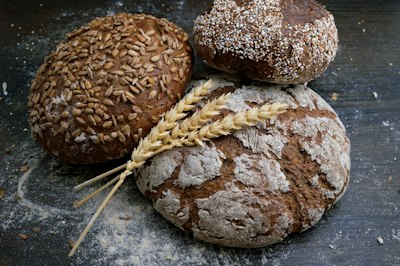
Flour provides structure. When flour proteins (glutenin and gliadin) are hydrated and agitated, they bond together to form gluten — a stretchy network that traps gas and gives baked goods their shape and chew. Bread flour has more protein (12-14%) for a chewier texture. Cake flour has less (8-9%) for a tender crumb. All-purpose sits in the middle.
The Role of Leavening Agents
Baking powder and baking soda both produce carbon dioxide gas that makes batters rise — but they work differently. Baking soda is pure sodium bicarbonate and needs an acidic ingredient (buttermilk, yogurt, lemon juice, cocoa) to activate. Baking powder contains its own acid and activates with moisture and heat. Using the wrong one or the wrong amount is one of the most common baking failures.
Why Fat Makes Everything Tender
Fat coats flour particles and inhibits gluten formation, which is why high-fat baked goods (shortbread, croissants, brioche) are tender and flaky rather than chewy. Cold fat in pie crust creates steam pockets as it melts — that is what creates flakiness. Room temperature butter in cake batters traps air when creamed with sugar, creating lightness.
Sugar Does More Than Sweeten
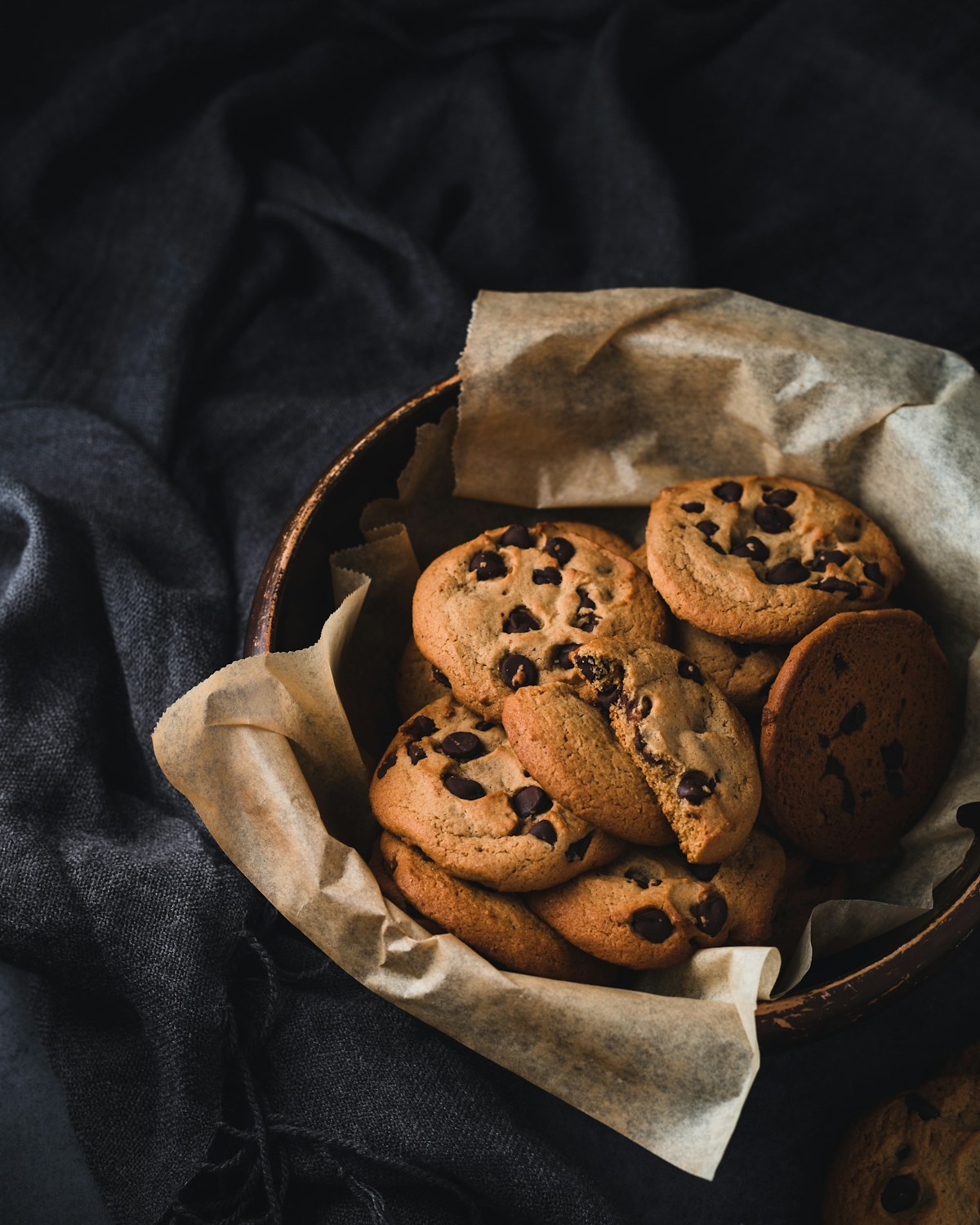
Sugar tenderizes by competing with flour for water. It browns through caramelization and Maillard reactions. It retains moisture, extending shelf life. Reducing sugar in a recipe does not just make it less sweet — it changes the texture, browning, and moisture level significantly.
Eggs Are a Baking Multi-Tool
Egg whites provide structure and lift. Egg yolks add richness, color, and emulsify fats and liquids. Whole eggs bind ingredients together. When a recipe calls for extra yolks, it is going for richness. When it calls for beaten whites, it is going for lift.
Temperature Is Not Negotiable
Room temperature ingredients incorporate more evenly and trap more air. Cold butter straight from the fridge will not cream properly with sugar. Cold eggs will seize a chocolate ganache. Before you bake, read the recipe and set your ingredients out 30-60 minutes in advance.